Sleep & Bedroom Design
How to Assess the Vispring Herald Superb Mattress
A thoughtful mattress assessment begins with more than a name or a first impression. Comfort preferences, support needs, sleep habits and the bed beneath the mattress all shape how the Vispring Herald Superb may feel in your own bedroom.
Published October 17, 2026
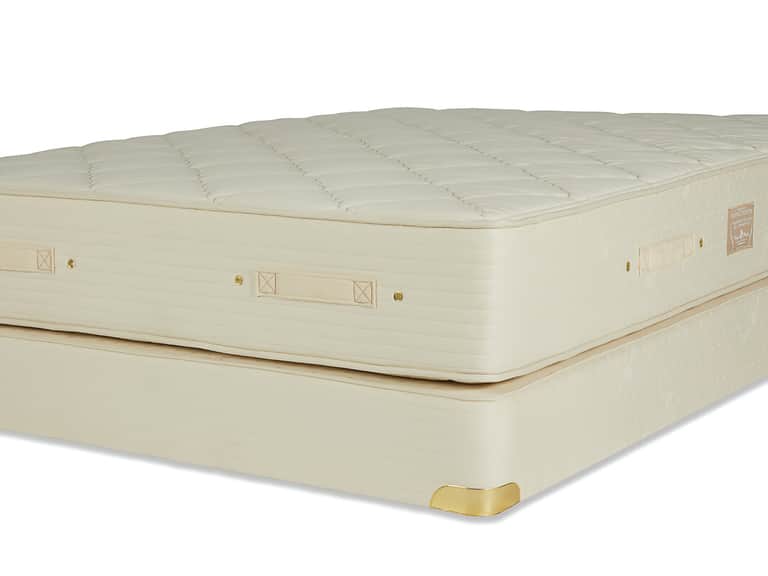
A mattress can look inviting in a showroom and still feel different once it is part of your everyday routine. That is why assessing the Vispring Herald Superb is best approached as a personal exercise, not a search for a universal verdict. The most useful questions are practical: Does the mattress feel comfortable in your usual sleeping position? Does it provide the kind of support you prefer? Does it work with your bed frame, bedding and bedroom climate?
Those questions matter with any Vispring mattress, and they are especially important when considering a premium model. A higher price or a prestigious name cannot tell you whether a particular feel will suit your body. Instead, use a clear framework to consider firmness, pressure comfort, support and the complete sleep setup. The aim is not to decide what the Herald Superb should feel like for everyone. It is to understand what to look for, what to verify and how to judge whether it feels right for you.
Start with the qualities you notice most
Before testing a mattress, take a moment to describe the sleep experience you want. Some people prefer a welcoming, cushioned surface; others want a firmer, more level feel. You might be seeking pressure relief at the shoulders and hips, a stable sensation when changing positions, or simply a mattress that feels familiar and comfortable. Naming those priorities gives you a more reliable point of comparison than asking whether a mattress is “good” in the abstract.
It can help to think in contrasts. Do you usually gravitate toward soft, medium or firm surfaces? Do you like to settle slightly into a mattress, or do you prefer to feel more lifted on top? Does your current mattress feel too yielding, too rigid or comfortable in some places but not others? Even a short note on these questions can make a showroom visit or trial period more informative.
- Firmness: Consider whether the surface feels too soft, too firm or close to your preferred balance.
- Pressure comfort: Notice whether your shoulders, hips and other contact points feel cushioned without feeling trapped.
- Support: Pay attention to whether your body feels comfortably held in your normal sleeping position.
- Movement: Observe whether changing position feels easy and natural for you.
- Temperature: Consider whether the surface and your bedding feel comfortable after you have been lying down for a while.
These are sensations to assess rather than specifications to assume. Available descriptions, construction details and comfort options can vary by market or configuration. Confirm the exact Herald Superb model and the terms offered by the retailer before relying on any particular detail. A careful assessment separates what you can feel for yourself from what needs to be checked in the product information.
Firmness is personal, not a score
Firmness is one of the first things people ask about when comparing mattresses, but it is not a complete measure of comfort. Two sleepers can lie on the same surface and describe it differently. Body shape, weight distribution, sleeping posture and personal preference all influence how firm a mattress seems. Labels such as “medium” can be useful shorthand, but they cannot replace your own experience.
When evaluating the Vispring Herald Superb, give yourself time to settle into your natural position. A quick sit on the edge may tell you something about the perimeter and initial impression, but it cannot capture how the sleeping surface feels across your shoulders, waist and hips. Lie down as you would at home, and remain there long enough to notice whether the first impression changes.
Ask yourself whether you feel supported without unnecessary pressure, and whether the surface seems to meet your preferences rather than asking you to adapt to it. If you share the bed, both sleepers should try it when possible. One person’s ideal firmness can be another person’s compromise, so discuss what each of you notices instead of relying on a single verdict.
Consider sleeping position and pressure
Your sleeping position offers a useful lens for assessing mattress comfort. Side sleepers often pay close attention to pressure around the shoulders and hips, while back sleepers may focus on whether the surface feels even and supportive through the torso. Stomach sleepers may be especially alert to whether the midsection feels comfortably supported. These are general considerations, not rules: individual comfort varies, and people often change position during the night.
Try the Herald Superb in the position you use most, then check how it feels in any other position you regularly adopt. Notice whether you feel a distinct pressure point, whether your body seems to rest comfortably, and whether moving from one position to another takes effort. If you wake with recurring discomfort, that history can help guide the questions you ask, though a mattress assessment is not a medical diagnosis.
It is also worth separating pressure relief from softness. A mattress can feel plush at first yet fail to provide the particular balance you want, while a firmer surface may still feel comfortable if it supports your body in a way you prefer. Focus on the overall sensation rather than assuming that softer automatically means more comfortable or that firmer automatically means more supportive.
Understand support as part of the whole experience
Support is not simply a synonym for firmness. In everyday terms, it is the sense that the mattress allows you to rest in a comfortable, stable position. When you lie down, consider whether any area feels as though it is sinking more than you want, or whether the surface feels so rigid that it creates uncomfortable pressure. The right balance is personal, so use your own comfort priorities as the reference point.
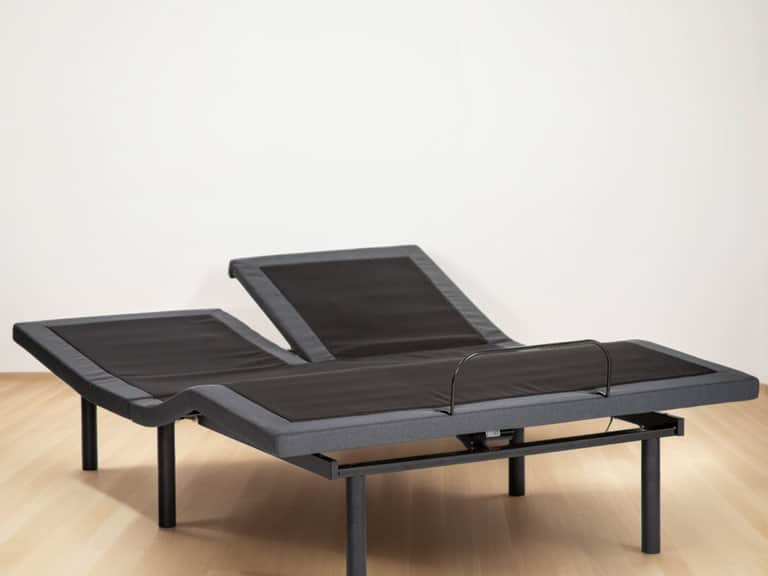
Think about the full system, too. A mattress rests on a base or frame, and that foundation can influence how the sleep surface feels. Before choosing or installing the Herald Superb, confirm the manufacturer’s current requirements for the specific model and size. Check whether your existing frame is suitable, whether its dimensions match, and whether the retailer can clarify any restrictions. Do not assume compatibility with an adjustable base, platform or other support system without checking the relevant guidance.
Room for movement matters as well. If you share a bed, each person can pay attention to whether ordinary movement from the other sleeper affects their comfort. The experience can depend on the mattress, its foundation and the sleepers themselves. Make this a point to assess rather than assuming a particular result from a brand name or construction description.
Give temperature and bedding a place in the assessment
A mattress does not exist in isolation from the sheets, pillows, duvet and bedroom climate surrounding it. If you tend to sleep warm, pay attention to how the mattress feels after you have been lying down for several minutes. Your sleepwear, room temperature and bedding can all affect that impression, so try to assess the whole arrangement as realistically as possible.
Sheets are an especially immediate part of the experience. A crisp cotton percale may feel different against the skin from a smoother, more fluid fabric, while a dense duvet can feel warmer than a lighter covering. If you are comparing a mattress in a showroom, remember that its display bedding may not match what you use at home. During a home trial, use familiar bedding for a more relevant impression.
Pillows also influence how your head, neck and shoulders feel. A pillow that is too high or too low for your preferred position can distract from your judgment of the mattress. Make the assessment with a pillow that feels reasonably representative of your usual setup. The goal is not to create a perfect laboratory test; it is to avoid judging the mattress through the lens of an unfamiliar pillow or an unusually heavy layer of bedding.
For a breathable bedding reference, the Hyperlite Sheet Set is made from TENCEL™ Lyocell and uses a grid weave designed to increase airflow. Sheets alone cannot determine how cool an entire bed will feel, but their fabric and construction are part of the overall sleep environment worth considering.
Test with intention, not in a hurry
A little preparation can make a mattress test more useful. Wear comfortable clothing, bring a clear idea of your preferences and take your time. If you are shopping in person, lie down in your usual sleeping position rather than simply pressing a hand into the surface. If you are assessing it at home, give your body time to adjust to the new setup and keep track of how the experience changes over the trial period.
First impressions deserve attention, but they are only one part of the story. Notice how the mattress feels as you settle, whether you can change position easily, and how you feel after waking. A simple sleep note can help: record your position, comfort, pressure sensations, temperature and any changes you notice from night to night. This is more useful than trying to remember a vague impression after several different tests.
When comparing mattresses, test them in a consistent way. Use similar positions and spend a comparable amount of time on each surface. Avoid letting appearance, elaborate room styling or a confident sales pitch make the decision for you. Design and presentation can be lovely, but the question remains wonderfully simple: does the mattress feel right for the way you sleep?
Check the practical details before deciding
A comfortable test is important, but so is understanding exactly what you are considering. Product names can be used differently across locations or configurations, so confirm that the item is the Vispring Herald Superb and ask for its current specifications. If a particular firmness, size or construction is described, make sure that information applies to the exact version being offered.
Before committing, review the retailer’s policies and documentation. The practical details may affect whether you can assess the mattress confidently at home:
- Confirm the size and the dimensions of the mattress and your bed frame.
- Ask which foundation or support systems are recommended for the specific model.
- Read the delivery, setup and removal arrangements, including any access considerations.
- Understand the trial, exchange or return terms before purchase, including deadlines and conditions.
- Review the warranty documentation and how to make a claim if necessary.
- Ask about care guidance and whether the mattress has any rotation or handling instructions.
These details are not glamorous, but they can turn an uncertain decision into a more informed one. Policies can differ by seller and region, so look at the terms that apply to your own transaction rather than relying on general expectations. If an answer is unclear, ask for it in writing before the order is finalized.
A quick assessment checklist
Whether you are browsing in a showroom or making notes at home, use this short checklist to keep the assessment grounded in your own needs:
- Comfort: Does the initial feel suit your preferences after you have settled into your usual position?
- Pressure: Do your shoulders, hips and other contact points feel comfortable?
- Support: Does the surface feel stable and appropriate for how you like to rest?
- Movement: Can you turn or reposition yourself comfortably?
- Temperature: Does the complete setup feel agreeable with familiar bedding?
- Shared sleep: If relevant, have both sleepers assessed the mattress?
- Compatibility: Have you confirmed that your frame or foundation is appropriate?
- Terms: Do you understand the retailer’s trial, exchange, delivery and warranty conditions?
The bottom line on assessing the Herald Superb
The Vispring Herald Superb is best evaluated through the details that shape your own night: preferred firmness, pressure comfort, support, sleeping position, temperature and the bed setup around it. A brand name can prompt interest, but your experience is what matters. Take the time to test the mattress in a familiar position, consider the bedding and foundation, and verify the current model information with the retailer.
There is no single perfect mattress for every sleeper, and no checklist can replace your own comfort judgment. The most confident decision is the one made with clear priorities, realistic testing and a full understanding of the practical terms. Keep the focus on how you sleep, what feels comfortable and what you have confirmed. That measured approach makes assessing the Herald Superb less about guesswork—and much more about finding a sleep setup that feels genuinely right for you.