A guided exploration of premium bedding materials: what to know before buying
Welcome to a thoughtful deep-dive into the fabrics, finishes, and fundamentals that define luxury bedding. In a market crowded with terms like thread count, weave, and heirloom-grade materials, the true luxury lies not just in the price tag, but in how a fabric performs for you night after night. This guide unpacks the core materials—cotton varieties, linen, silk, and natural latex—and translates their properties into practical advice for choosing sheets, pillows, and mattresses that elevate sleep quality. Along the way, we explore how these materials interact with design goals, climate, and personal comfort, offering a roadmap for a truly premium sleep environment.
1) The materials that shape premium bedding
Luxury bedding hinges on a handful of natural and engineered materials, each with a distinct tactile signature, durability profile, and climate performance. Below is a concise tour of the most influential players in the premium category.
-
Cotton, especially long-staple and Egyptian variants — Cotton remains the backbone of premium sheets. Long-staple cottons, such as Egyptian and Pima, offer a soft hand, strong strength, and excellent drape. The feel can range from crisp and airy percale to smooth and lustrous sateen. The choice between percale and sateen weave affects breathability, temperature regulation, and tactile sensation. Percale typically delivers a cooler, matte finish with a crisp bite, ideal for hot climates or hot sleepers. Sateen, with a silkier, more luminous surface, tends to feel warmer and more opulent, suitable for cooler environments or those who prefer a lush texture.
-
Linen — Linen brings natural moisture-wicking and temperature-regulating properties. It’s prized for its breathability, durability, and characteristic textured hand that softens with each wash. Linen sheets can feel heavier initially but relax over time, becoming more comfortable as they break in. They’re excellent for warm nights and for sleepers who prioritize airiness and a relaxed, lived-in aesthetic.
-
Silk — Silk bedding offers a lightweight, smooth surface with temperature-regulating qualities. Mulberry silk, particularly high momme weights, is celebrated for its hair- and skin-friendly properties, reducing friction and helping maintain hydration. Silk can feel cooling on contact but may require more delicate care and a specific maintenance routine to sustain luster and fiber integrity.
-
Latex and latex-blend materials — While most commonly associated with mattresses, natural latex appears in blends within pillow cores and certain quilted toppers. Latex brings buoyant support, resilience, and some breathability. In premium bedding contexts, latex is often paired with natural fibers to maintain a comfortable sleep surface while resisting sagging and heat buildup.
-
Blends and finishes — Many premium sheet sets incorporate blended fibers (e.g., cotton-poly mixes) to balance softness, durability, and care needs. Finishes like mercerization or resin-free finishes can affect sheen, strength, and lustre, contributing to longevity and a refined look.
2) Weave types and their impact on feel and function
The weave is the architecture of a sheet’s tactile personality and its performance in temperature and wear. Two classic archetypes stand out in luxury bedding:
- Percale — A crisp, lightweight weave that promotes air flow. Percale sheets feel particularly "cool" and are favored by sleepers who overheat at night. The texture is matte with a tight grid of evenly balanced threads, creating a refreshing, clean feel on the skin.
- Sateen — A satin-like sheen with a smooth, silky surface. Sateen sheets tend to drape elegantly and feel warmer, which some sleepers prefer in cooler environments. The fabric can feel luxurious against skin and hair, contributing to a plush nighttime experience.
Beyond these archetypes, modern premium bedding leverages innovative textures like grid-weave, jacquard patterns, and micro-encapsulation finishes to optimize breathability, softness, and attention to durability. The goal is to balance tactile satisfaction with practical considerations like care, pilling resistance, and colorfastness over many washes.
Note that thread count alone is not a definitive measure of quality. The best sheets deliver a harmonious combination of fiber quality, weave, weight, and finishing. For example, a 200–300-thread-count TENCEL Lyocell grid-weave sheet can outperform a higher-thread-count cotton sheet in breathability and moisture management, thanks to the synthetic-free breathability of Lyocell fibers and the engineered air channels of the weave.
3) Practical buying guidance: evaluating feel, durability, and care
When shopping for premium bedding, consider how materials align with your sleep style, climate, and care preferences. The following practical tips help you compare options with greater clarity.
- Feel and drape: Request or test swatches if possible. Observe how the fabric moves against your skin, whether it feels crisp or soft, and whether it invites a calm, cooling sensation or a cozy warmth.
- Breathability and moisture management: Materials like cotton with long-staple fibers and Lyocell (TENCEL) excel at wicking moisture and promoting airflow. Linen stands out in hot climates for its permeability. Silk can feel cool on contact while providing moisture-absorbent properties that help with climate control.
- Durability and color fastness: Look for sturdy stitching, reinforced hems, and supplier transparency about fiber content. High-quality cotton and linen typically endure repeated washing with minimal pilling or color fading.
- Care instructions: Delicate fabrics like silk often require gentler washing cycles and air drying. Cotton and linen might tolerate machine washing but benefit from improved care routines to maintain texture and sheen over time.
- Certifications and provenance: Where possible, seek certifications such as organic or GOTS for fibers, and inquire about the origin of the fabric and any chemical treatments used. The presence of such certifications can reinforce both quality and sustainability considerations.
4) A closer look at notable premium bedding brands
In the premium category, established names offer trusted benchmarks for materials and craftsmanship. Three brands often referenced for their dedication to quality include:
- Obasan — Known for their luxurious down and natural fiber blends, Obasan emphasizes organic materials and thoughtful construction that balance softness with supportive structure in pillows and bedding components.
- Naturepedic — Recognized for natural, non-toxic materials, Naturepedic provides a reference point for sustainable sleep solutions, particularly in latex and quilted mattress components that align with health-conscious consumers.
- Vispring — A heritage brand famed for its tactile luxury and handcrafting. Vispring bedding often reflects meticulous material selection and traditional techniques that yield a timeless sleeping experience.
While exploring these brands, readers should focus on material composition, fiber origin, weave types, and the overall philosophy toward comfort, durability, and care. Each brand’s approach offers a lens into how premium bedding can balance luxury with practical longevity.
5) A snapshot of a premium bedding product in action
To illustrate how premium materials translate into a real sleeping experience, consider a curated example from a renowned luxury line:
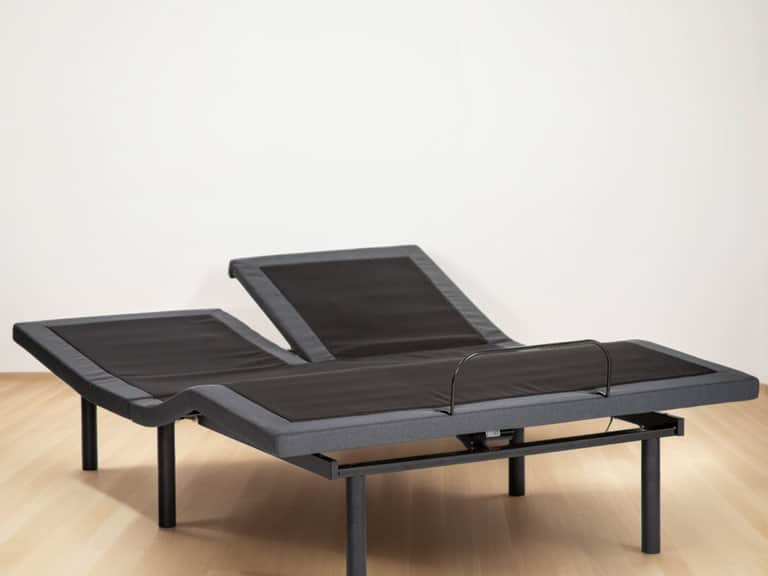
The Clean Bedroom Level 2 Adjustable Bed Base
Overview: An adjustable bed base crafted for personalized comfort. Independent head and foot lifts allow precise positioning, while built-in massage, LED under-bed lighting, and dual USB ports add a modern layer of convenience to nightly routines.
Feel and benefits: The combination of adjustable support and ambient lighting enhances relaxation and ease of use, supporting different sleep postures and relaxation activities, from reading to watching TV without disturbing a partner.
Care and maintenance: Routine checks on remote functions and ensuring proper bed alignment help maintain performance. The product is designed for compatibility with various bed frames, including platform and pedestal configurations.
This example demonstrates how premium materials and thoughtful engineering converge to create a sleep environment that respects both comfort and function. When evaluating such a product, consider how its features relate to your bedtime rituals, room lighting, and noise tolerance, ensuring that the tech embedded into luxury bedding truly serves a restful night.
6) Intersections with design and wellness ideology
Premium bedding is not merely about material prestige; it also intersects with interior design principles and wellness science. A few guiding ideas to weave into your bedroom narrative:
- Color and texture psychology: Textiles influence how a room feels at a glance and how you experience a space at night. Neutral, soothing tones and soft textures can create a restorative backdrop, supporting relaxation and mindful sleep rituals.
- Temperature zoning: Layering breathable sheets with temperature-regulating fabrics helps maintain a stable microclimate, reducing night-time awakenings caused by heat or chill.
- Acoustic comfort: The materials you choose for bedding interact with the room’s acoustics. Baffle-free textures and breathable fabrics can contribute to a calmer, quieter sleeping environment when paired with appropriate room treatment.
7) A concise buying checklist for premium bedding
Ready to shop with confidence? Use this compact checklist to evaluate premium bedding options:
- Identify your climate and choose fabrics with appropriate moisture management (cotton, linen, Lyocell).
- Decide between crisp percale or silky sateen based on desired feel and warmth balance.
- Prioritize fiber authenticity and any sustainability credentials for peace of mind and long-term value.
- Check weave construction and ensure compatible care methods to maintain texture and color.
- Consider how bedding integrates with your mattress, pillows, and overall sleep setup (including adjustable bases, if relevant).
8) The People of premium sleep: voices across time
Throughout history, notable figures have shaped our understanding of comfort, rest, and interior luxury. Here are three key individuals from different time periods whose ideas continue to influence how we think about premium bedding and sleep spaces:
- Louis XIV of France (1643–1715) — The Sun King’s court popularized opulence and ceremonial spaces, including lavish bedrooms. The chambre à coucher became a stage for majestic fabrics, ornate bedframes, and meticulously crafted textiles, laying early groundwork for the idea that sleep environments can be immersive, design-forward experiences.
- Florence Nightingale (1820–1910) — A pioneer of modern health and hospital design, Nightingale’s emphasis on sanitation, lighting, and air quality translated into more thoughtful domestic spaces. Her influence underpins modern-day sleep hygiene and the belief that a well-ordered, well-lit bedroom supports well-being and recovery.
- Le Corbusier (1887–1965) — A modernist master whose ideas about functional aesthetics and clean, honest materials inform contemporary bedroom design. His advocacy for simplicity and purposeful form resonates with premium bedding choices that balance elegance with performance, enabling restful, uncluttered spaces.
9) A note on domain strategy: aligning LuxuryBed.net with a non-commercial ethos
This article embodies the Direction A vision for LuxuryBed.net—a comprehensive educational hub focused on luxury sleep and bedroom design. The aim is to deliver authoritative, well-researched content that informs readers without steering them toward purchases. The structure below reflects a careful blend of sleep science, interior design, and lifestyle storytelling, inviting readers to explore, learn, and apply insights to their own spaces.
In keeping with a non-commercial stance, product mentions are used to illustrate points and provide tangible context rather than to promote specific brands or retailers. Where possible, references to trusted brands serve as examples of premium quality and responsible manufacturing practices. Readers are encouraged to verify information and consult a range of sources when considering purchases.
10) Final thoughts: crafting a premium sleep sanctuary
Luxury sleep begins with a mindful choice of materials and a design-minded approach to the bedroom. By pairing breathable fabrics, thoughtful textures, and climate-aware choices with a serene, well-organized space, you can transform nightly rest into a restorative ritual. The materials discussed—cotton, linen, silk, and latex—offer diverse paths to comfort, depending on your climate, sleep posture, and care preferences. The goal is not just luxury in appearance, but luxury in how sleep actually feels day after day.
For further exploration, consider designing a content roadmap that delves into specific subtopics like “designing a luxury sleep space,” “ergonomics of bedding,” and “care guides for premium textiles.” A well-structured approach can sustain engaging, evergreen content that resonates with interior design enthusiasts, wellness readers, and dreamers seeking a premium nocturnal experience.
11) A curated recommended reading and product reference
While this article remains non-commercial, a reader-friendly reference points toward trusted sources and premium-quality examples that embody the spirit of luxury sleep. For readers seeking tangible examples to study, the following premium products illuminate the interplay between materials, craftsmanship, and user experience:
The Clean Bedroom Level 2 Adjustable Bed Base
A modern foundation for personalized comfort with independent head and foot lifts, massage, ambient under-bed lighting, and USB charging. A practical demonstration of how technology and premium design converge for restorative rest.
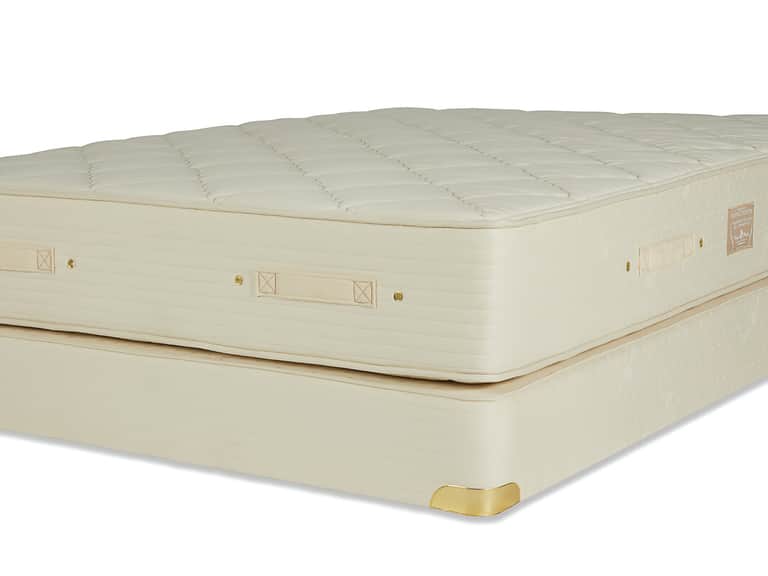
Royal-Pedic Premier Natural Latex Quilt-Top Mattress
A luxurious latex core wrapped in chemical-free wool, quilted fabric, and a robust foundation. This mattress exemplifies premium materials and traditional craftsmanship forming a serene sleep surface.
Note: Prices and product availability can vary by region and retailer. The images above illustrate premium design aesthetics and material quality to inform readers’ broader understanding of luxury sleep environments.