Sleep science & bedroom design
Naturepedic Organic Mattresses: Materials, Certifications, and Construction
A mattress can look simple from the outside, but its comfort and character come from what is layered beneath the cover. In organic designs, the details matter: which fibers and foams are used, how the layers are assembled, and what a certification actually verifies. Here’s a practical guide to understanding Naturepedic organic mattresses—and the questions worth asking before comparing any mattress in this category.
Published November 2, 2026
What “organic mattress” can—and cannot—tell you
The phrase “organic mattress” is useful shorthand, but it does not tell the whole story. It may refer to certain fibers, such as cotton or wool, that meet an organic standard. It may describe a product whose materials have been independently certified. It does not automatically mean every component is organic, that the mattress contains no synthetic materials, or that its feel will suit every sleeper.
That distinction is especially important when looking at Naturepedic. As with any mattress maker, the materials and construction can differ by collection, model, and size. A brand-wide description is a starting point, not a substitute for the specification sheet of the exact mattress under consideration. Check the current product page and certification documents for the model you are comparing.
It also helps to separate three questions that are often blended together. First, what is the mattress made of? Second, how is it constructed? Third, what does an independent certification say about those materials or the finished product? Keeping those questions separate makes product descriptions easier to read—and makes it less likely that a broad label will be mistaken for a complete materials guarantee.
Materials commonly found in organic mattress designs
Organic mattress construction often combines several material families, each with a different job. A natural or organic component does not necessarily dictate the mattress’s firmness by itself. The way it is processed, layered, and paired with other materials also affects support, cushioning, temperature feel, and durability.
Cotton: the familiar foundation layer
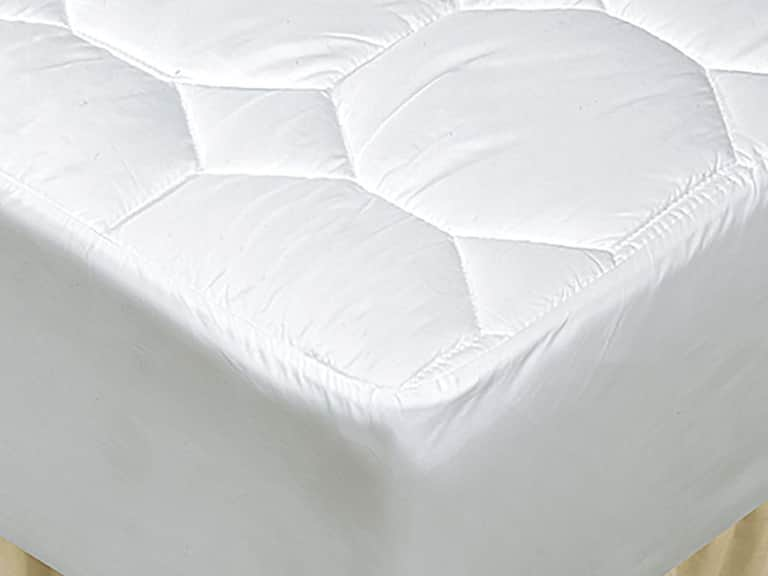
Cotton may appear in a mattress cover, quilted panel, batting, or other textile layer. It can offer a breathable, familiar hand and a relatively crisp surface feel, though the finished feel depends on the weave, quilting, and any materials beneath it. If a product is described as using organic cotton, look for documentation identifying which part of the mattress is covered by that claim. The cover may be certified while other components have different material descriptions.
Care instructions matter, too. Mattress covers are not always removable or washable, even when they contain cotton. A protector can help limit stains and everyday wear, but it may also change the feel of the sleep surface. Check the manufacturer’s instructions before using cleaning products or removing a cover.
Wool: a natural fiber with more than one role
Wool may be used as a comfort layer, a textile component, or part of a mattress’s fire barrier. Its springy fibers can add a softly cushioned feel, while the material’s structure can help manage moisture. That does not mean every wool layer behaves identically: its thickness, density, and location in the mattress affect the result.
Ask whether the wool is certified organic, how it is used, and whether the manufacturer identifies its origin or processing. A claim about one wool component should not be assumed to apply to every layer. For shoppers with sensitivities or specific material preferences, clear documentation is more useful than a general natural-materials statement.
Natural latex: responsive support and layered comfort
Latex is valued for a buoyant, responsive feel. Rather than slowly sinking around the body in the same way some foams do, latex tends to push back as pressure changes. For some sleepers, that makes repositioning feel easier; others may prefer the deeper contour of a different material. Neither experience is universal, and the firmness of a latex mattress depends on its formulation, layer thickness, and overall design.
“Natural latex” describes a material associated with rubber-tree sap, but shoppers should look beyond the short label. Ask whether the latex is Dunlop or Talalay, whether it is certified organic, and whether the claim applies to every latex layer. These terms describe different processing methods and sourcing or certification claims; they do not, on their own, tell you whether the mattress will feel soft or firm.
In layered designs, each latex layer can have a distinct firmness. A softer upper layer may provide more pressure relief, while firmer material below can contribute to support. The combined feel is shaped by the entire stack, not one layer in isolation. If a mattress offers customization, confirm which layers can be changed, whether the arrangement is reversible, and whether a comfort exchange is available.
Other components deserve attention too
Mattresses are systems, not single ingredients. A cover, quilting, transition layer, support core, fire barrier, adhesives, and finishing methods may all play a role. Some mattresses also use steel coils or other support structures alongside natural fibers and latex. When comparing models, ask for a complete materials list and note any parts that are not described in detail.
This level of scrutiny is not about assuming that one material is automatically better. It is about understanding what you are choosing. A thoughtfully constructed mattress can still be a poor fit if its comfort level does not match your body, sleep position, or preferences.
Certifications: what the labels can actually verify
Certification marks can make a complicated materials story easier to investigate, but each standard has a defined scope. Some certifications focus on the organic status of particular fibers or agricultural materials. Others set requirements for chemical content, emissions, or the finished product. A mark should be read as evidence about the criteria it covers—not as a blanket promise about every quality a shopper might care about.
For organic mattress research, shoppers may encounter standards such as GOTS for textiles and GOLS for latex. The exact certificate, product scope, and current validity matter. A standard may apply to a component, a facility, or a finished product under specified conditions. Look for a certificate number or official certification information, and confirm that it corresponds to the model being considered.
Other labels may address indoor emissions or restrict certain substances. These can be relevant to people who want to understand what a product has been tested for, but they answer different questions from organic-content certifications. A low-emissions certification, for example, is not interchangeable with an organic certification. Similarly, the words “natural,” “eco-friendly,” or “clean” are not certifications by themselves.
When reviewing Naturepedic materials, check the current documentation for the specific mattress rather than assuming that one certification covers the entire range. A brand may offer multiple product types and constructions, and certificates can change over time. If the information is unclear, ask the manufacturer to identify which components are certified and provide the relevant standard or certificate details.
A quick certification-reading checklist
- Identify the exact mattress model and size covered by the claim.
- Check whether the certification applies to the finished mattress or a particular material.
- Confirm the standard’s scope through the certifier’s own information.
- Look for current documentation rather than relying only on a marketing phrase.
- Separate organic-content claims from emissions, chemical-restriction, and performance claims.
- Ask about components that are not named in the product’s materials list.
Construction shapes comfort as much as ingredients do
Two mattresses can use similar materials and feel remarkably different. One may have a thin, firm latex comfort layer over a supportive core; another may use a thicker, softer top layer that allows more cushioning. The cover’s quilting, layer order, and the mattress’s total height all contribute to the way the bed responds.
For a side sleeper, pressure relief at the shoulder and hip may be a priority. Back sleepers often look for a balance between cushioning and support, while stomach sleepers may prefer a surface that limits excessive sinking. These are general starting points, not rules: body shape, personal comfort, and the bed base can change what feels supportive.
Latex can be offered in different firmnesses, and a layered mattress may let the shopper customize the arrangement. If customization is available, ask how the layers are labeled, whether different firmnesses can be selected on each side, and what happens if the initial setup is uncomfortable. Exchange periods and warranties are separate policies, so read each one carefully.
Mattress height and foundation compatibility also deserve a place on the checklist. Confirm the dimensions, recommended base, weight guidance, and whether the mattress can be used on an adjustable foundation. These details affect practical fit as well as comfort. A beautiful mattress that is incompatible with an existing frame is not a satisfying upgrade.
How to compare a Naturepedic mattress with other organic options
Start with the experience you want from the bed, then use material information to narrow the field. A shopper drawn to latex’s springy response may compare layer thickness and firmness. Someone who prioritizes textile composition may focus first on the cover and batting. Another may care most about a specific certification. Putting the priorities in order helps prevent a long list of appealing claims from obscuring the actual decision.
For a useful comparison, write down the model name, comfort choices, listed materials, construction type, certifications, care requirements, and trial or warranty terms. Compare like with like: a latex mattress and a coil mattress may both use organic cotton, but their support systems and feel can be very different.
As one example from the broader category, the Savvy Rest Tranquility Latex Mattress is described as a customizable, seven-inch mattress made with two latex layers, an organic cotton casing, and an organic wool flame barrier. Its listed options include Dunlop latex, Talalay latex, or a combination. Those specifications offer a concrete illustration of how a product page can describe layer count, material choices, and construction. They should not be taken as details about Naturepedic; each brand and model should be assessed on its own published documentation.
That distinction is valuable because the word “organic” can make products sound more alike than they are. Layer count, firmness options, cover construction, support system, and certification scope all help reveal the differences that affect daily use.
Comfort, care, and long-term expectations
A mattress purchase is also a decision about how you sleep from night to night. If possible, test the exact comfort option for long enough to notice pressure, ease of movement, and temperature. A few minutes in a showroom can provide an initial impression, but it cannot always predict how a mattress will feel after several full nights.
Ask about the trial period, return or exchange costs, delivery arrangements, and the warranty’s limits before ordering. A warranty generally addresses defined defects under stated conditions; it is not a guarantee that a mattress will remain identical in feel or suit every sleeper indefinitely. Read the fine print, including requirements about foundations and protectors.
Care varies by construction. Some covers are not removable, and some natural materials require spot cleaning rather than machine washing. A protector can help guard against spills and dust, but check that it fits the mattress securely and does not interfere with the intended feel. Rotate the mattress only if the manufacturer recommends it; not every design is meant to be flipped or rotated.
For households with allergies or sensitivities, material transparency may be particularly important, but “organic” should not be treated as a medical assurance. People respond differently to materials and indoor conditions. If a specific sensitivity is a concern, review the complete component list and consult an appropriate health professional when needed.
Questions to ask before making a decision
A well-informed comparison often comes down to a few direct questions. The answers should be specific enough to verify and useful enough to guide a real choice.
- What materials are used in every layer of this exact model?
- Which materials are certified organic, and which certification applies to each one?
- Is the latex Dunlop, Talalay, or another construction, and what firmness options are available?
- How does the complete layer arrangement create the listed comfort feel?
- Does the mattress include wool, cotton, coils, or other components beyond latex?
- Are the cover and comfort layers removable, washable, or spot-clean only?
- What foundation is required, and is the design compatible with an adjustable base?
- What are the trial, exchange, return, and warranty terms?
Clear answers make it easier to compare features without relying on vague impressions. If a product page uses a broad claim but does not explain which component it refers to, request clarification before treating the claim as a deciding factor.
The bottom line on Naturepedic organic mattresses
Naturepedic organic mattresses are best evaluated one model at a time. Materials such as cotton, wool, and natural latex can be part of an organic mattress design, but they serve different purposes and do not guarantee a particular feel. Construction—the thickness, order, and firmness of the layers—helps determine whether a mattress feels buoyant, cushioned, firm, or somewhere in between.
Certifications can add meaningful detail when shoppers understand their scope. Verify the current certificate for the model in question, distinguish a component-level claim from a finished-product claim, and avoid treating general sustainability language as a substitute for documentation. Then bring the research back to the essentials: comfort, support, fit, care, and the terms that protect you after delivery.
The most considered mattress choice is not necessarily the one with the longest list of materials or the most labels. It is the one whose construction makes sense for your preferences, whose claims are clearly documented, and whose feel supports the way you actually sleep.

